Hydronic Heating vs. Forced Air in Abbotsford, BC: Comfort, Cost, and Best-Fit Homes
If you are weighing hydronic heating vs. forced air for your Abbotsford, BC home, you are not alone. Many homeowners from Clayburn Village to Sumas Prairie want quieter heat, better comfort, and smart control. This guide compares both options in plain language and shows where each one shines. If you want a deeper dive into how boilers and radiant systems work in real homes, explore our hydronic heating service details to see typical components and layout ideas.
What Is Hydronic Heating?
Hydronic heating uses water to carry heat through your home. A boiler warms the water and circulates it through piping that feeds baseboards, radiators, or in-floor radiant loops. The water returns to the boiler to be reheated and sent back out. Because water is a great carrier of heat, rooms warm evenly with very gentle air movement and low noise.
Many Abbotsford homeowners like hydronic systems for the quiet operation during long damp stretches. Radiant floors feel especially comfortable on cold mornings, and the system can be zoned so you warm the rooms you use most.
What Is Forced Air?
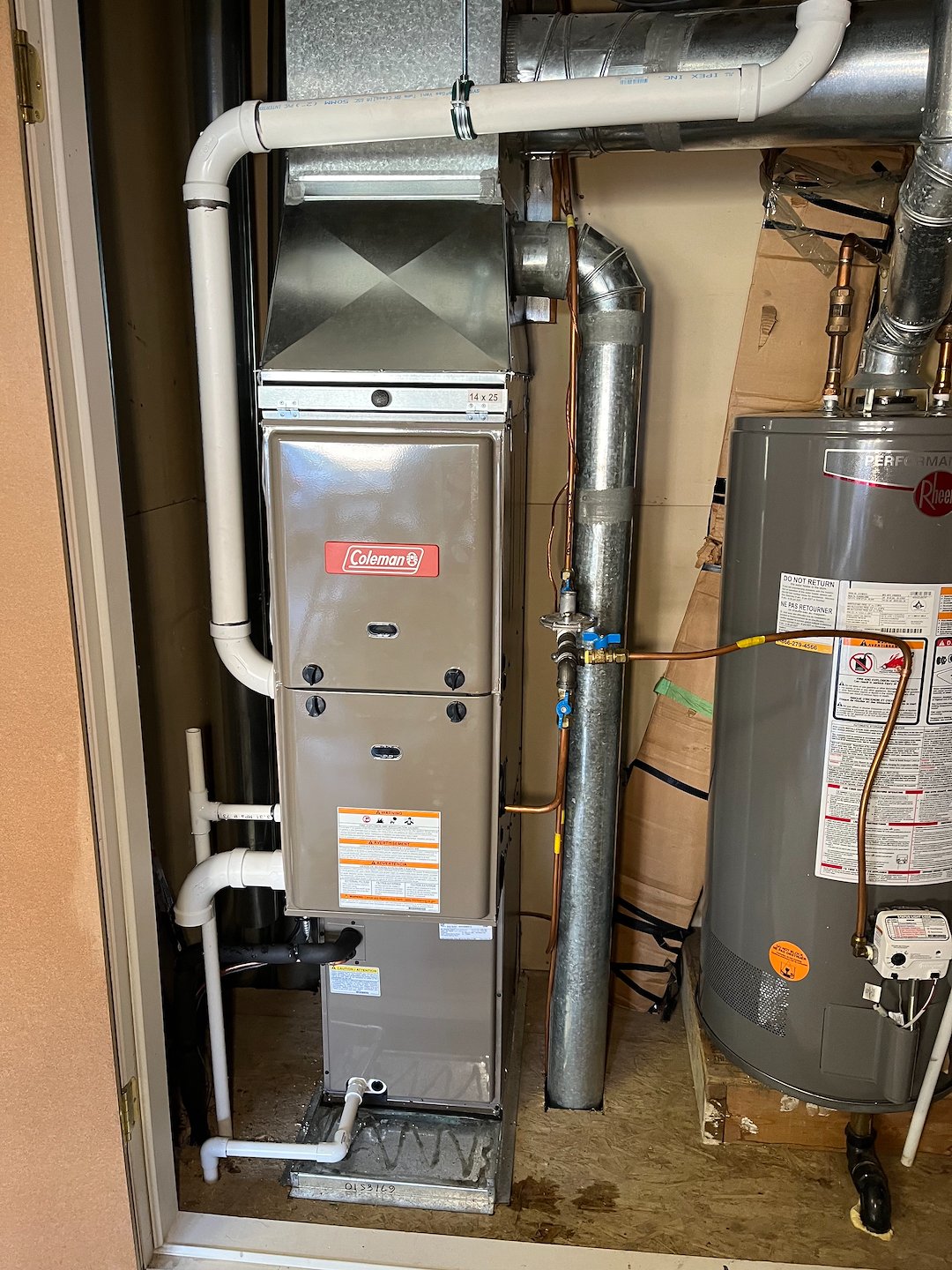
Forced air heating uses a furnace to heat air and a blower to push that air through ductwork to each room. Supply vents deliver warm air while return vents pull cooler air back to the furnace. If your home already has ducts for cooling, a forced air furnace often slots into the same system. Filters can improve indoor air quality, and modern furnaces can be efficient and reliable with proper maintenance.
Comfort Differences You Feel in Abbotsford Homes
Comfort is where the two systems part ways. Hydronic heat warms surfaces and people directly, so floors, walls, and furniture feel pleasantly warm. Many describe it as steady, wraparound warmth. Forced air warms the air itself, which can lead to cycles of warm blasts followed by cool-downs as the system rests.
- Hydronic: even temperatures, warm floors, minimal air movement.
- Forced air: heats rooms quickly, supports filtration, pairs easily with central AC.
Hydronic systems often shine in damp coastal climates because gentle radiant warmth helps spaces feel dry and cozy without creating drafts. In drafty older homes, radiant floors can reduce that chilly “edge” you feel near windows.
Energy Use And Noise In Damp Winters
Energy performance depends on your home’s insulation, windows, and how you use the space. Hydronic systems can be very efficient when paired with a well-tuned boiler and proper zoning. Because there is no big blower, operation is typically quiet. Forced air systems can also be efficient with a modern furnace and sealed ducts, but they naturally create some airflow noise and may feel drafty if duct leaks are present.
In Abbotsford’s long wet season, the ability to hold steady temperatures matters. Hydronic systems excel at maintaining a set point without frequent cycling. Furnaces can cycle more, yet they recover temperatures faster after doors are opened or the thermostat is turned up.
Zoning And Room-By-Room Control
Both systems can be zoned, but hydronic zoning is especially flexible. Bedrooms can sit cooler overnight while living areas stay warmer. Bathrooms benefit from cozy floors during early mornings. With forced air, zoning requires dampers and careful duct design. It works well in many homes, but there are limits when the duct layout cannot be easily changed.
Zoning reduces wasted energy because you only heat the areas you are using. That is helpful in larger East Abbotsford homes where some rooms sit empty most days.
Retrofit Considerations For New And Older Homes
Every house tells a different story. In older Craftsman homes around Clayburn Village or character houses near Downtown Abbotsford, adding large new duct runs can be challenging without opening walls. Hydronic piping is smaller and may thread through tighter spaces. Radiant floors can be added during a renovation, under tile or engineered wood, to keep profiles slim. In newer homes that already have ducts for air conditioning, updating the furnace may be the easiest path.
Radiators and baseboards for hydronic systems are slimmer than decades ago and come in styles that blend with modern interiors. If you prefer invisible heat, in-floor radiant loops keep hardware out of sight.
Maintenance And Lifespan
Both systems need routine professional care. Boilers and circulators should be inspected, water quality checked, and air bled from loops when needed. Furnaces require filter changes, blower cleaning, and safety checks. Well-maintained hydronic components often enjoy long service lives, while modern furnaces can also run for many years when serviced on schedule.
Schedule a professional heat loss assessment before choosing. The assessment helps size equipment correctly, which protects comfort and longevity for either system.
Local insight: In Abbotsford’s damp winters, keeping surfaces warm reduces that clammy feeling that lingers in basements and on main-floor tile. Radiant floors in entries, kitchens, and bathrooms can make daily life feel drier and more comfortable, even when outdoor humidity is high.
Indoor Air Quality And Allergies
Forced air systems can circulate dust if filters are not changed on time. High-MERV filters and proper duct sealing help. Hydronic systems move heat without moving much air, so they do not stir particulates as much. Many families pair radiant heat with a dedicated ventilation or filtration solution to keep fresh air moving without drafts.
If you rely on air conditioning in summer, remember that hydronic heat does not use those ducts. You can still keep your cooling system and run hydronic heat separately, or consider a ducted heat pump for cooling and a hydronic boiler for winter comfort.
Comfort Examples From Around Abbotsford
Consider a two-story home in McMillan with bedrooms upstairs and living spaces below. Hydronic zoning can keep the main floor at a cozy evening setting while bedrooms sit slightly cooler for sleep. In a rancher near Sumas Prairie, radiant floors can remove the chill from slab-on-grade rooms that feel cold from below. For a Clearbrook townhouse, a right-sized furnace may be the simpler fit if existing ducts are in good shape.
Choose a licensed HVAC contractor who understands Abbotsford construction styles, from older basements to new infill homes. The right design protects comfort and helps avoid hot-and-cold spots.
When Forced Air Makes Sense
Forced air remains a strong choice when ducts are already installed and in good condition, or when you want to integrate heating, cooling, and filtration through one system. Modern variable-speed furnaces are quieter and better at maintaining stable temperatures than older single-stage models. Add smart controls and regular maintenance to keep performance steady through the wet season.
- Quick temperature recovery after doors open or windows are vented.
- Easy integration with central air conditioning and filtration.
- Often a straightforward swap in homes with existing ductwork.
When Hydronic Heating Is The Better Fit
Hydronic heat is a favorite when comfort and quiet are the priority. Radiant floors keep tile and stone comfortable to walk on, and panel radiators can trim cold corners in larger rooms. Zoning allows you to match heat to your routine, from morning baths to late-night living spaces. If you are remodeling a kitchen or bathroom, it is an ideal time to add radiant loops under new finishes.
Curious how it would lay out in your home? Take a look at how Thermacool Mechanical plans piping, manifolds, and controls in our local installs by visiting our boilers and hydronic heating overview and imagine how zones could align with your daily schedule.
Controls, Thermostats, And Smart Home Integration
Smart thermostats work with both systems, but programming looks a bit different. Hydronic loops often respond more gradually, so steady set points with small adjustments feel best. Forced air responds faster, which suits setback schedules. In either case, connect settings to your routine rather than chasing big swings that can reduce comfort.
How To Decide For Your Abbotsford, BC Home
Start with your goals. If you want quiet, steady warmth and room-by-room control, hydronic is likely your match. If you want fast response, built-in filtration, and an easy path with existing ducts, forced air may be the winner. Many families blend systems, using radiant floors in baths and basements while keeping a furnace for the rest of the home.
To help you compare options, view our guide on hydronic heating vs. forced air in Abbotsford, BC and consider which spaces matter most day to day. Then think about your renovation timeline and whether rooms will be opened soon, which can lower disruption for hydronic upgrades.
Why Homeowners Choose Thermacool Mechanical
As a local HVAC team serving Abbotsford and nearby Fraser Valley communities, Thermacool Mechanical designs systems around real-life routines. We listen first, then size and select equipment that fits your home’s layout and materials. Our installers keep work areas tidy, and our technicians explain settings in clear terms so you can run the system with confidence. If you ever need help, call us at 604-751-2412 and we will take care of you.
Next Steps: Get A Hydronic Heating Plan For Your Home
If you are leaning hydronic, a short design consultation can show exactly how zones, manifolds, and controls would fit your layout. We will map comfort goals to real rooms and talk through timing around any renovation plans. When you are ready, reach out to Thermacool Mechanical to start your plan and learn how a radiant system could elevate comfort through Abbotsford’s rainy season. Begin here: request a hydronic heating consultation or call 604-751-2412 today.
Thermacool - Where Quality Meets Comfort Serving Abbotsford and Surrounding Areas