Ductless Mini-Split Sizing in Abbotsford, BC: How Many Heads Do You Actually Need?
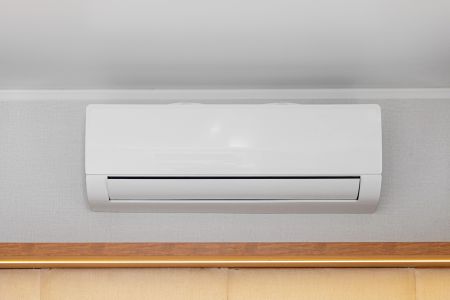
If you are planning a ductless mini-split for your Abbotsford home, the big question is how many indoor heads you really need. This quick guide walks you through simple room-by-room thinking, comfort balancing, and when multi-zone beats single-zone for our Fraser Valley climate. If you want help right away, explore our ductless mini-split installation and service options with Thermacool Mechanical.
What a Mini-Split “Head” Is and How Zones Work
An indoor “head” is the wall, ceiling, or floor unit that serves a defined area. Each head is its own comfort zone, controlled by a handheld or wall controller. The outdoor unit moves refrigerant to each head to heat or cool that zone.
In Abbotsford homes, heads often serve common spaces like the main living area, plus bedrooms that need quieter, steady temperatures. Townhomes around Clearbrook, ranchers near Matsqui, and newer builds by Eagle Mountain all benefit from the flexibility zones provide.
Single-Zone vs Multi-Zone for Abbotsford’s Climate
When Single-Zone Shines
Use a single-zone system when you have one main space to control, such as an open-concept living room and kitchen or a basement suite. Single-zone systems are simple, efficient, and great for additions or garden suites common around Sumas Prairie.
When Multi-Zone Is the Better Fit
Choose multi-zone when rooms have very different use patterns or exposures. For example, a south-facing living room and north-facing bedrooms will not heat and cool the same way. Multi-zone lets you set different temperatures without overworking one head to chase comfort through closed doors.
Tip: Too many lightly used heads can reduce efficiency because the outdoor unit still cycles to keep them ready. Size for the rooms you use daily, and let doors, layout, and routines guide the plan.
BTU Calculator Basics For Local Homes
A quick estimate starts with square footage, then adjusts for insulation, windows, ceiling height, and sun exposure. Warmer rooms with big windows near Mill Lake often need more capacity than a shaded bedroom on the same floor.
- Room size: larger rooms need more BTUs to reach and hold set temperatures.
- Insulation and windows: older homes or big panes facing south or west increase the load.
- Ceiling height: vaulted ceilings add volume, so plan more capacity for tall spaces.
- Air leakage: drafty rooms near exterior doors or garages need extra attention.
- Sun and wind: afternoon sun and winter outflow winds change the load across the day.
These are starting points, not final answers. A proper assessment checks every room and how air actually moves around your home.
How Many Heads Do You Actually Need? Real-World Scenarios
1 Head
Works for a studio, a small suite, or a very open main floor where air can move freely. If bedrooms stay open during the day and you sleep cool at night, one head can be enough for many townhomes and condos.
2 to 3 Heads
Best for most two-storey homes in Abbotsford. A common plan is one head for the main living space and one or two for bedrooms. This gives quiet sleep, fewer hot-cold spots, and better control during shoulder seasons.
4+ Heads
Useful for larger, segmented homes or when you have a bonus room over the garage, a home office with sun exposure, or a separate suite. Add heads when doors are usually closed or when rooms have very different needs throughout the day.
Warning: More heads are not always better. Every head must be matched to the outdoor unit’s capacity. Too many small zones can make the system short cycle, which hurts comfort and efficiency.
Comfort Balancing: Where Each Head Should Go
Start with the room where you spend the most time. Place the head where it can “see” the largest area, with a clear path for air. Avoid blasting a sofa or dining table directly.
- Main floor: aim toward the longest throw across living, dining, and kitchen spaces.
- Bedrooms: choose a quiet head and plan for gentle airflow that will not hit the bed.
- Bonus room over garage: add a dedicated head because this room often runs hotter in summer and cooler in winter.
- Basement suite: separate zoning is best, especially if the suite has its own schedule.
Good to know: Open doors help share comfort. Closed doors create separate zones. If doors stay closed most of the day, plan another head for that area.
Line Length, Placement, and Why They Matter
Refrigerant line length and elevation changes affect capacity. Long or winding line sets can reduce output to a head, which may lead to uneven temperatures at the far end of a hallway or on a second floor. Keeping line sets efficient and protected pays off in quieter operation and better comfort.
Mount the outdoor unit where air can move freely and snow will not drift. Keep it away from bedrooms if possible to limit startup noise. A small wall bracket or stand can improve drainage and access.
When a Second Outdoor Unit Makes Sense
Two outdoor units can be smarter than one when you have many closed-off rooms with different schedules, very long line runs, or a separate legal suite. Splitting zones across two outdoor units often leads to better modulation, less cycling, and happier sleepers on both floors.
Mistakes to Avoid in Abbotsford, BC
These common issues lead to hot-cold spots or higher energy use:
- Expecting one head to heat or cool a whole house with closed doors.
- Adding heads without checking the outdoor unit’s minimum and maximum loads.
- Ignoring sun-heavy rooms near large windows that need extra capacity.
- Running long line sets that reduce capacity to far rooms.
- Forgetting local cold snaps and choosing equipment that struggles in low temperatures.
How Thermacool Mechanical Sizes Your Ductless System the Right Way
Our process is simple and thorough. We start with a site visit, measure rooms, note windows and ceiling height, and listen to how your family uses each space. Then we model heat loss and heat gain, check line-set routes, and plan head placement for comfort balancing across floors and seasons.
We help you choose between single-zone and multi-zone setups, review expected performance for Abbotsford’s winters and summers, and size for quiet operation. You get a clear plan with room-by-room capacity, head locations, and a clean layout for lines and electrical.
If you are ready to explore layouts and options, review our page for ductless mini-split installation to see how Thermacool Mechanical approaches design and setup across the Fraser Valley.
BTU Sizing Examples You Can Picture
Open Main Floor
A single appropriately sized head aimed across living and dining can keep an open main floor comfortable most of the year. Bedrooms that stay open during the day borrow comfort, then cool slightly at night for easy sleep.
Two-Storey Family Home
One head downstairs for the main space and one or two upstairs for bedrooms. This plan limits door-closed problems and helps even temperatures when the afternoon sun heats one side of the house.
Suite or Detached Office
A single-zone system fits a garden suite or backyard office. It is quiet, efficient, and easy to schedule around work hours or guest stays.
How Multi-Zone Efficiency Works in Practice
Modern outdoor units modulate to match the demand from your heads. If only one bedroom calls for cooling, the system slows down to meet that small load. If three zones need heat during a cold snap, it ramps up to share capacity across the home.
Pro tip: The most efficient system is the one that spends most of its time at a steady, low speed. Right-sizing the number of heads helps your equipment cruise instead of start-stop all day.
Comparing Ductless With Your Existing Heating
Many Abbotsford homes pair ductless with existing heating equipment for flexibility. If your furnace is aging or uneven, a ductless system can handle daily comfort while the furnace covers extreme cold or specific rooms. You can learn about traditional options on our page for furnace repair & replacement and decide what mix fits your home and routine.
Why Local Details Matter in Abbotsford, BC
Homes near Mill Lake or Historic Downtown can have different solar exposure and shading than homes on the ridge by Eagle Mountain. Basements may feel damp in fall, while west-facing bedrooms run warm in late summer. A local design accounts for these small things so your system stays comfortable without constant tinkering.
If you want to read more about the topic across our site, start at our home page with a focus on ductless mini-split sizing in Abbotsford, BC. It will help you see how sizing ties into service, maintenance, and long-term comfort.
Ready to Get the Right Number of Heads?
When you want clear, room-by-room answers, call Thermacool Mechanical at 604-751-2412. We will map each zone, check line routes, and size a system that runs quietly and efficiently year-round. To take the next step, visit our page on ductless mini-split services and book a professional sizing visit today.
Thermacool - Where Quality Meets Comfort Serving Abbotsford and Surrounding Areas